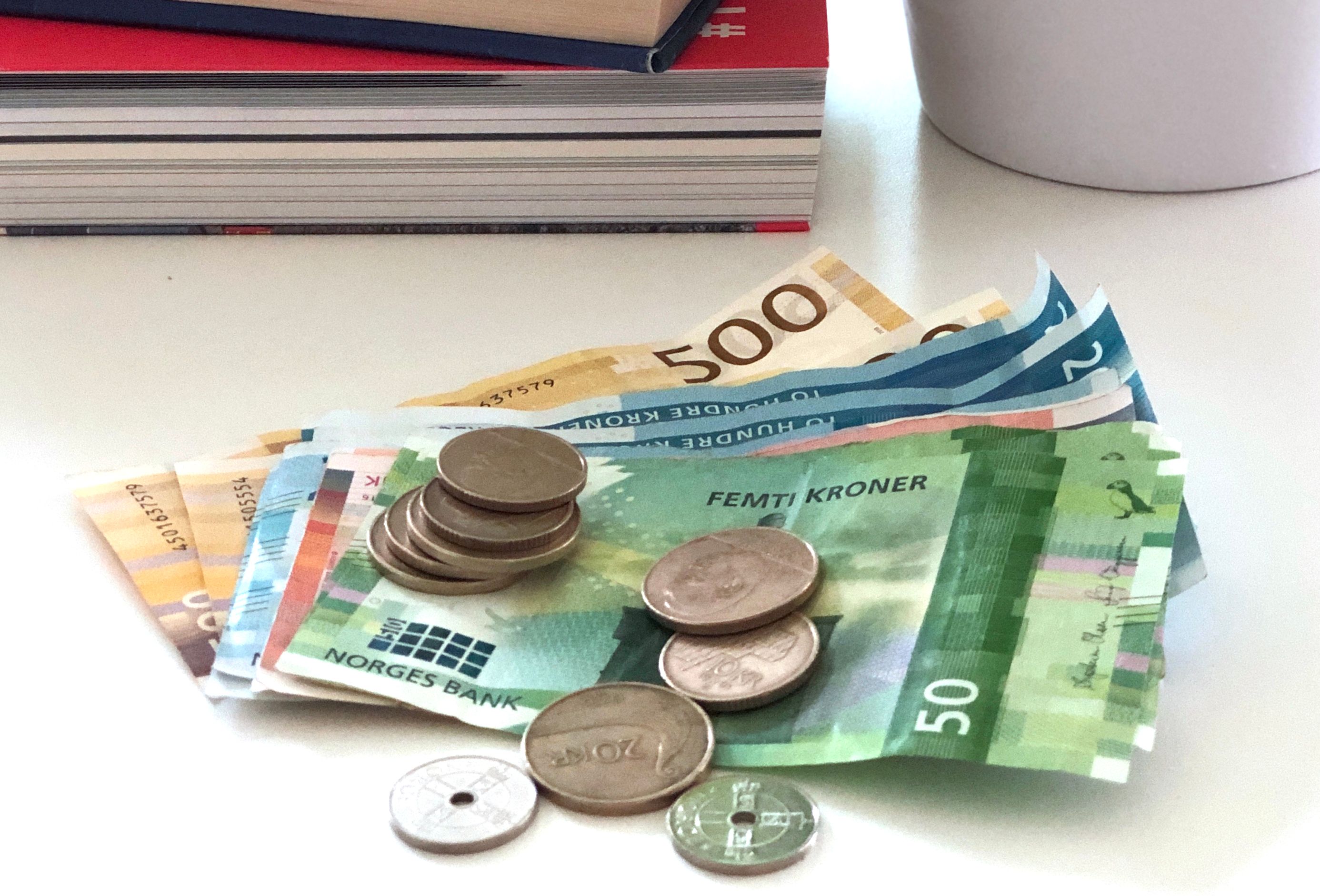
Get an overview
It is entirely possible to have a good study period without spending more money than necessary. The key is not to cut everything – but to make smart choices.Most students spend the most money on:
- Rent
- Food
- Transportation
- Social life
- Spontaneous purchases and subscriptions
👉 Ask yourself: How much do I earn – and what goes out each month? Get an overview of your finances!
Drop services and subscribers
Think about what you really need. For example, do you need Dropbox, Storytel, Viaplay, Max, and Tinder Plus/Gold? Consider sharing Netflix, Spotify, and similar services with someone else.
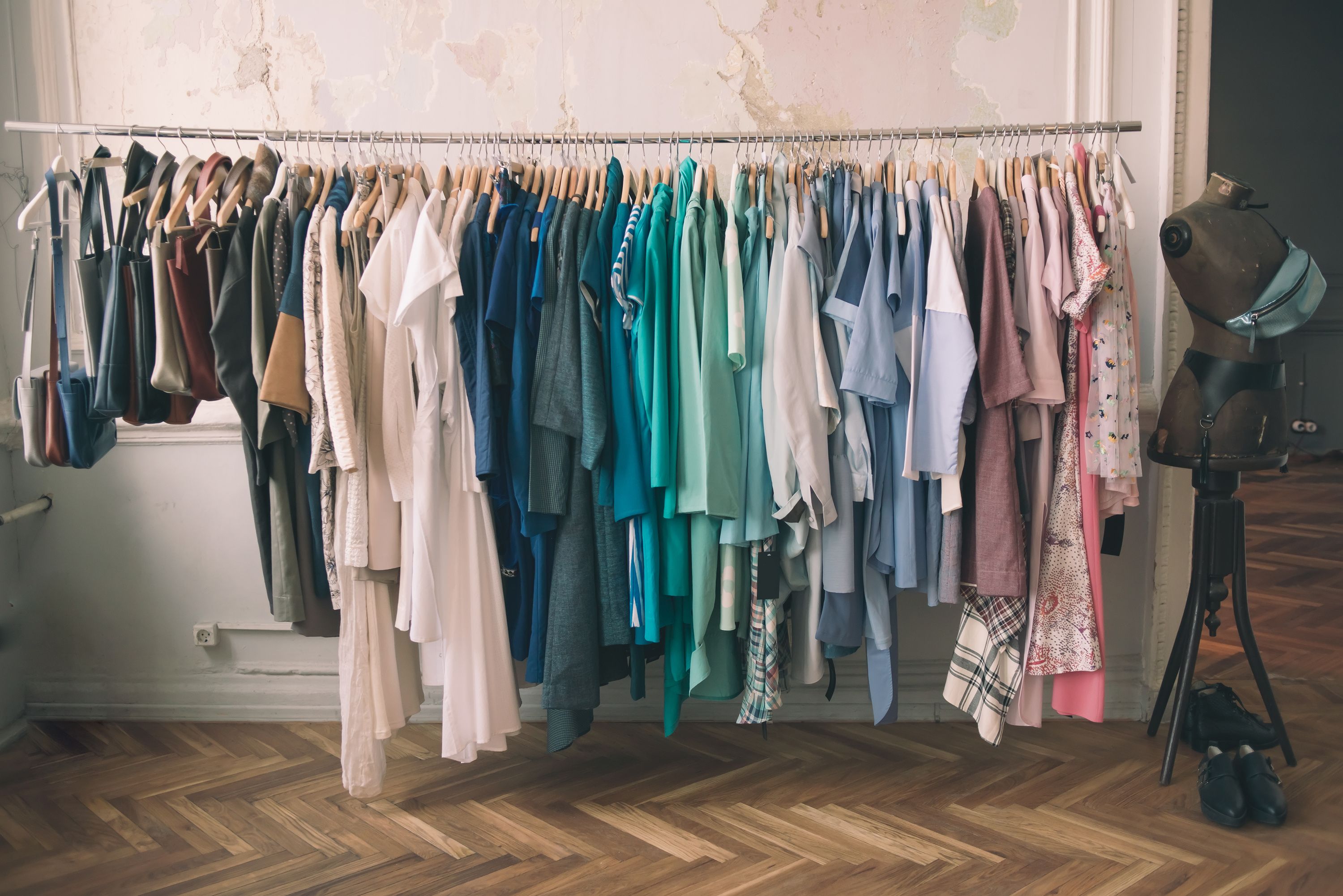
Clothing swap every semester
Did you know that SiO organizes a clothing swap every semester? It’s a great opportunity for some “free” shopping. Keep an eye on the event calendar to find out when the next swap will take place!
Free and affordable things to do
It's easy to think that everything in Oslo costs a lot. That's not true.
Completely free
- Hike in the forest
- Hang out in parks
- Swim in the summer, either in Akerselva (Nydalen or Frysja) or in the Oslofjord (Sørenga or one of the islands)
- Explore new neighborhoods
- Libraries and cultural centers are free meeting places
Culture and experiences adapted to the student wallet
- Many museums and activities have student discounts or special evenings for students.Check out, for example, Oslo Museum, Norwegian Folk Museum, Natural History Museum or Fram Museum, or Oslo Bar & Bowling, Syng karaoke or Marienlyst minigolf.
- In SiO's event calendar you will find social activities, events and arrangements for students in Oslo – most often completely free or for a reasonable price.
- Visit a petting farm. Here you can do everything from feeding alpacas, riding and brushing horses, jumping in the hay and greeting calves. There are several petting farms in Oslo and the surrounding area.
- Eat out together, and share dishes. Seek out street food.
Tips for feeling at home in the big city
Have you just moved to Oslo and are wondering what you can do, where to hang out, and how to meet people, all on a budget?
Smart grocery shopping
- Cook more food at home
- Meal-prep (make large dinners that can become several meals throughout the week)
- Write a shopping list and plan your purchases (and avoid impulse buys!)
- Remember to check the price per kilo
- Use up all food before buying new – have a leftover day! Or freeze it.
- Use student-friendly offers on campus
👉 Takeaway and small purchases quickly become more expensive than you think – it feels like little at the time, but adds up over time.
Regular savings and BSU
There are many ways to save fixed amounts. One way is fun saving/micro-saving from your bank. After all, it's more fun to save when your bank card does it by itself, right?Housing savings for young people (BSU) is also a good way to set aside money for buying a future home. Here you often get good interest rates and extra tax deductions.
Be strict with the large scholarship
Do everything in your power to deposit the scholarship into a savings account immediately, and view it as emergency funds.
Transport – save money and get more out of the city
Public transport
- Student discount gives lower price
- Monthly pass is worth it if you travel a lot
Cycling is underrated
A bicycle (for example, city bike subscription) or an electric scooter can save you money. In addition:
- you get around quickly
- you avoid queues and waiting
- you get to know Oslo really well, and you will discover new areas and places you otherwise wouldn't have found
You don't have to live "strictly" – just a little more consciously
“Surviving financially” is not about cutting everything that is fun. It’s about spending money on what actually matters to you.Oslo is also a city full of opportunities, even on a student budget.
This surprises many students
- How quickly small purchases become large sums
- How quickly the student loan disappears
- How expensive spontaneous plans can be
- How much you can actually save with simple steps